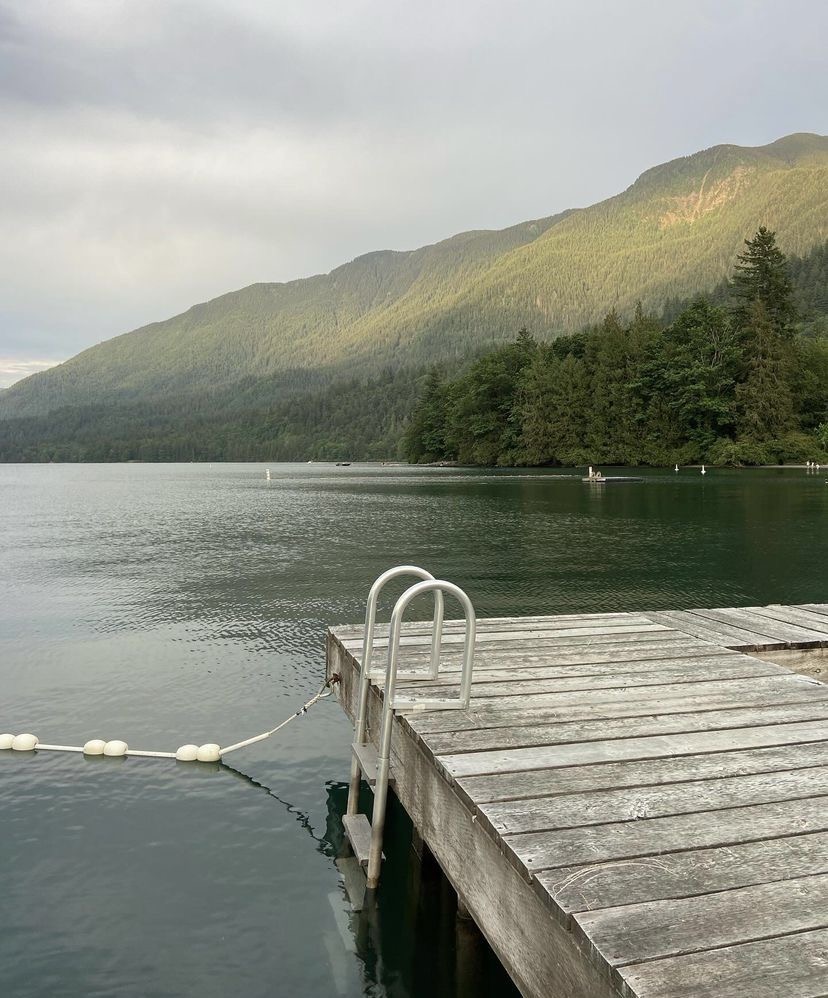
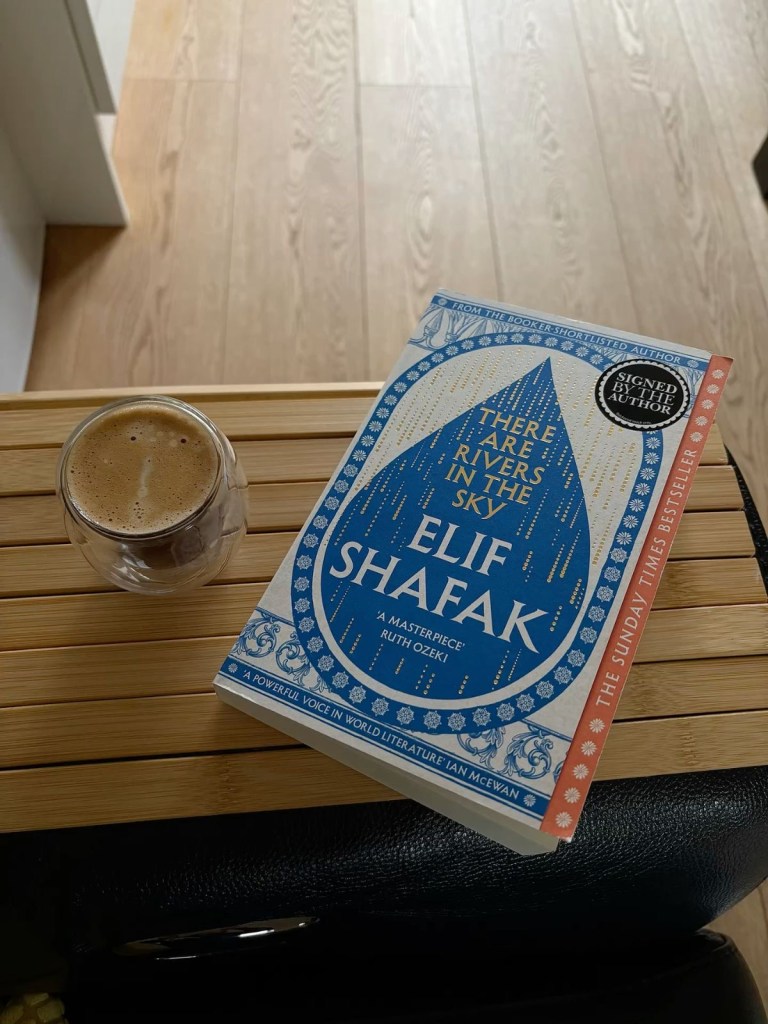
I recently read The Island of Missing Trees by Elif Shafak — a book I warmly recommend you pick up — and I can honestly say I was deeply shaken by the truths it carries. In a world where rivers are portrayed as silent witnesses to human desire, greed, suffering, and forgetfulness, I couldn’t help but ask myself: how far have we strayed from the natural rhythm that once grounded life? And where, in all of this — is the water?
Water, the quietest and most essential force on the planet, is treated today as something we’re simply entitled to — rather than a source of life and gratitude. As a pharmacist, someone who daily encounters the reality of chemicals, industry, and regulations, I often think about the invisible traces we leave behind in nature — in rivers, lakes, and underground waters. Everything we discharge, everything we ignore — water absorbs. And as Elif Shafak writes: “Water remembers. It’s people who forget.”
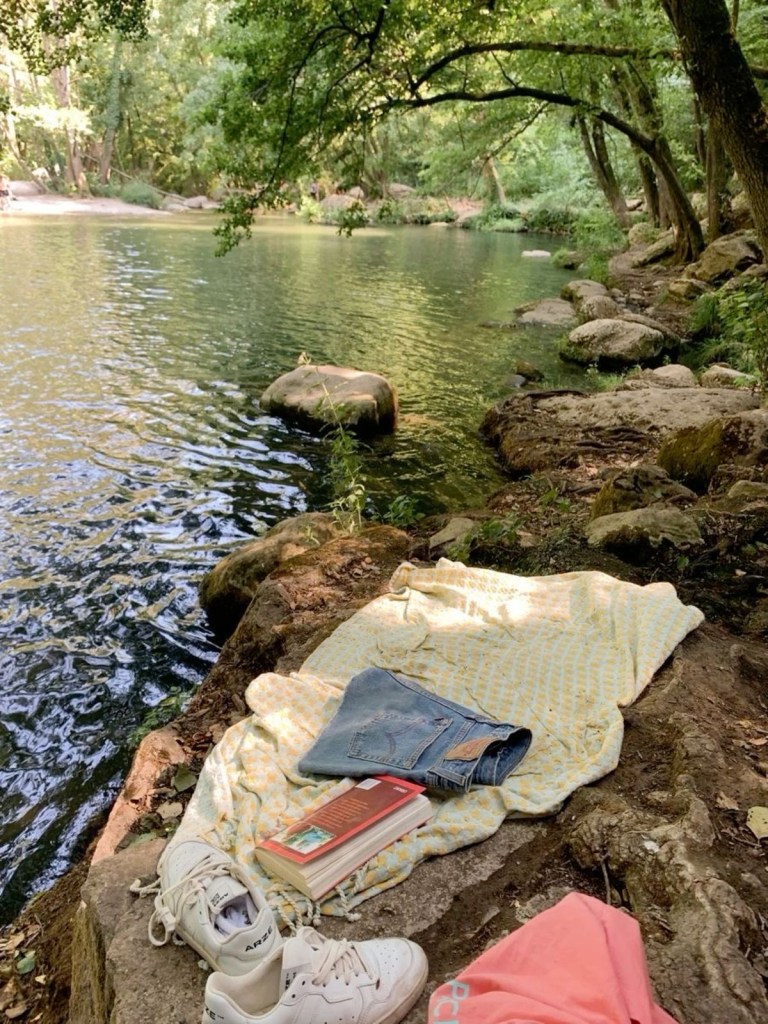
Through the stories of three central characters and two rivers — the Thames and the Tigris — Shafak takes us through centuries of human existence, revealing how water sees everything. It sees war, it sees greed, it sees neglect. And today, more than ever, it feels like water is losing its voice under the weight of our everyday lives: pesticides, microplastics, wastewater, and irresponsible policies. Droughts and floods are becoming more common, yet we rarely believe it has anything to do with us. But it does. Oh, it absolutely does.
As a mother of a young child, I can’t help but wonder — what kind of water are we leaving for our children? Will they know the scent of a river at dawn? Will they be able to drink tap water, as I once could when I was little? Even today, we have to filter our water due contamination. There is my biggest concern — Will it become a luxury, a quiet witness to our negligence?
Elif Shafak reminds us that we are not the owners of nature, but its temporary tenants. And maybe it’s time we started listening to the rivers. To stop burying them in plastic, to stop releasing chemicals believing they “disappear somewhere,” to protect the springs the way we protect memories. Because water is the memory of the world.
That’s why I wrote this blog — as a small wake-up call. To be grateful for the water we have and to ask ourselves: what can we do, in our small corner of the world, to ensure water doesn’t turn into silence?
Because rivers don’t just flow through the land.
They flow through us, too.
——————————————————-
Kad vode zaneme: Šta nam knjiga “Nebeske reke” Elif Šafak govore o našoj stvarnosti
Nedavno sam pročitala Nebeske reke Elif Šafak, koju inače toplo preporučujem da uzmete u ruke i pročitate, mogu vam reći da me je potresla istina koju ova knjiga nosi u sebi. U svetu u kojem su reke predstavljene kao svedoci ljudske potrebe, pohlepe, patnje i zaborava, nisam mogla da ne pomislim – koliko smo daleko otišli od onog prirodnog ritma koji je nekada bio osnova života? I gde je u svemu tome – voda?
Voda, najtiša i najneophodnija sila na planeti, u današnjem društvu tretira se kao nešto podrazumevano da moramo imati, a ne kao izvor života i zahvalnost. Evo ja kao farmaceut i neko ko se svakodnevno susreće sa stvarnošću hemikalija, industrije i regulativa, često razmišljam o tome koliko nevidljivih tragova ostavljamo u prirodi – u rekama, jezerima, podzemnim vodama. Sve ono što ispuštamo, sve što zanemarimo, voda upija. I kako Elif Šafak piše : “voda pamti, ljudi su ti koji zaboravljaju.”
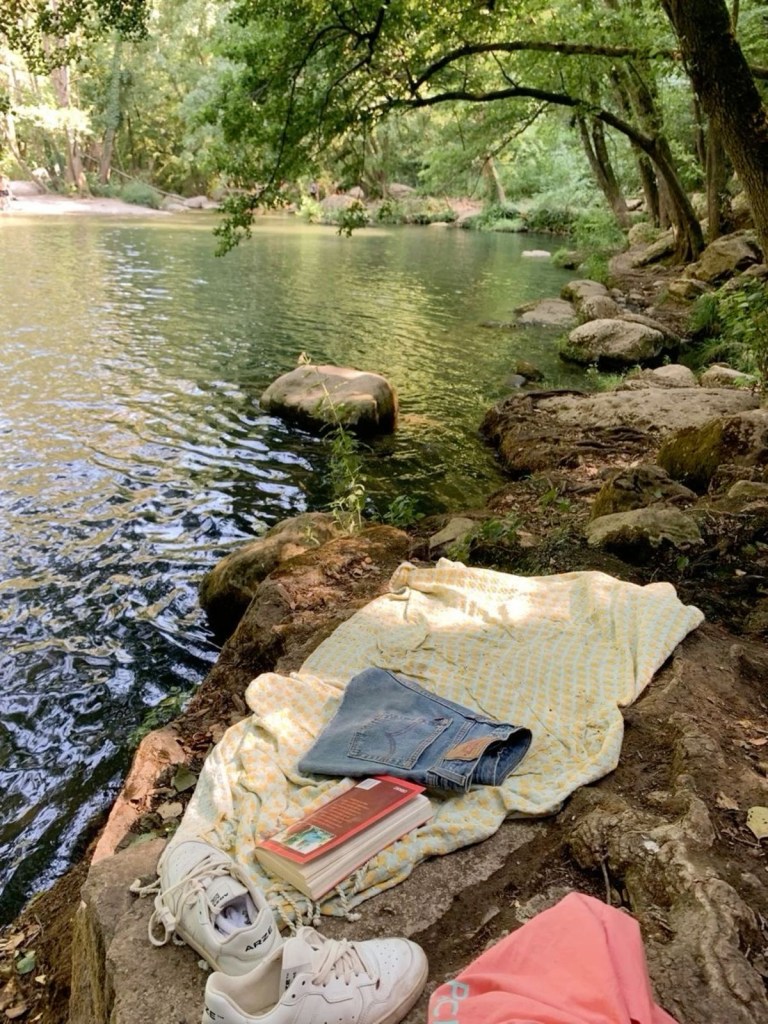
Kroz tri glavna lika u knjizi i dve reke– Temze i Tigra, autorka nas vodi kroz vekove ljudskog postojanja i pokazuje da voda sve vidi. Ona vidi ratove, vidi pohlepu, vidi i zaborav. I danas, više nego ikad, čini mi se da voda gubi svoj glas pod teretom naše svakodnevice: pesticida, mikroplastike, otpadnih voda i neodgovornih politika. Sve češće nas zadesi suša ili poplava, sve ređe verujemo da to ima veze s nama. Ali ima. Ima i te kako.
Kao mama malog deteta, ne mogu da ne postavim sebi pitanje – kakvu ćemo vodu ostaviti našoj deci? Da li će znati kako miriše reka ujutru? Hoće li moći da piju vodu iz česme, kao što sam ja mogla dok sam bila mala? Čak i danas pijemo filtriranu vidu zbog kontaminacija. Zato sledi moje pitanje- Da li će voda postati luksuz, tihi svedok našeg zanemarivanja?
Elif Šafak nas podseća da nismo vlasnici prirode, već njeni privremeni stanari. I možda je vreme da počnemo da slušamo reke. Da ih ne zatrpavamo plastikom, da ne ispuštamo hemikalije misleći da se “negde izgube”, da čuvamo izvore kao što čuvamo uspomene. Jer voda je pamćenje sveta.
Zato je ovaj blog i nastao – kao mali poziv na buđenje. Podsetnik. Da budemo zahvalni na vodi koju imamo i da se zapitamo: šta možemo da uradimo, u svom mikro svetu, da se voda ne pretvori u tišinu?
Jer reke ne teku samo kroz zemlju. One teku i kroz nas.


 Tanja's diary 🧚🏻♂️