

Today, while I was working, I had one of those really challenging calls with a client who doesn’t actively participate, isn’t fully integrated into teamwork, yet consistently complains with not enough statement. It drained my energy to the point where I started doubting myself, as I think we all are doing, but constantly repeating myself this is all part of the ‘game’ within one corporation. Then I just sat in the office for a while, contemplating how to rejuvenate myself and it sparked inspiration for a blog post! 🙂
This encouraged me to contemplate the factor that deplete our energy in today’s society. Who truly bears the responsibility for draining our daily energy level?
1. ENERGY VAMPIRES
Energy vampires often carry a negative energy and tend to focus on problems rather than solutions. Their perpetual negativity can be draining for those in their vicinity. As I am such a copycat, I can feel their presence immediately. The first “advice” would be to set some boundaries. Yet, this approach doesn’t always resonate with me. While safeguarding my energy is crucial, I’ve come to appreciate the importance of understanding that energy vampires may be grappling with their own challenges. Embracing understanding often becomes a more transformative tool for me because, in that moment, I can release the negative energy with a sense of compassion.
2. STRESS and ANXIETY
Have you ever found yourself spending countless hours worrying about scenarios that never actually happened? As Seneca wrote: “we suffer more often in imagination than in reality.” Seneca as one of the key philosophers of Stoicism, advocates for mindfulness, a practice that involves being fully present in the current moment without undue attachment to judgments or anxieties about the future. By cultivating mindfulness, we can develop a clearer perspective on our circumstances and reduce the mental burden that often accompanies stress. Truly a philosophy that can help you change your mindset, considering long-term. Seneca or Marcus are the best places to start if you’re looking to explore Stoicism.

3. SCREEN TIME
Managing screen time effectively is crucial for maintaining a healthy balance in the digital age. I know, I know.. its inevitable in today society, as I am also having my job done on laptop, but try the following:
Incorporate regular breaks into your screen time routine. Follow the 20-20-20 rule, taking a 20-second break to look at something 20 feet away every 20 minutes to reduce eye strain. Be intentional about your screen use. Mindful consumption by focusing on the content that adds value to your life, and try to avoid mindless scrolling and excessive multitasking. 4. THE PROCRASTINATION PARADOX
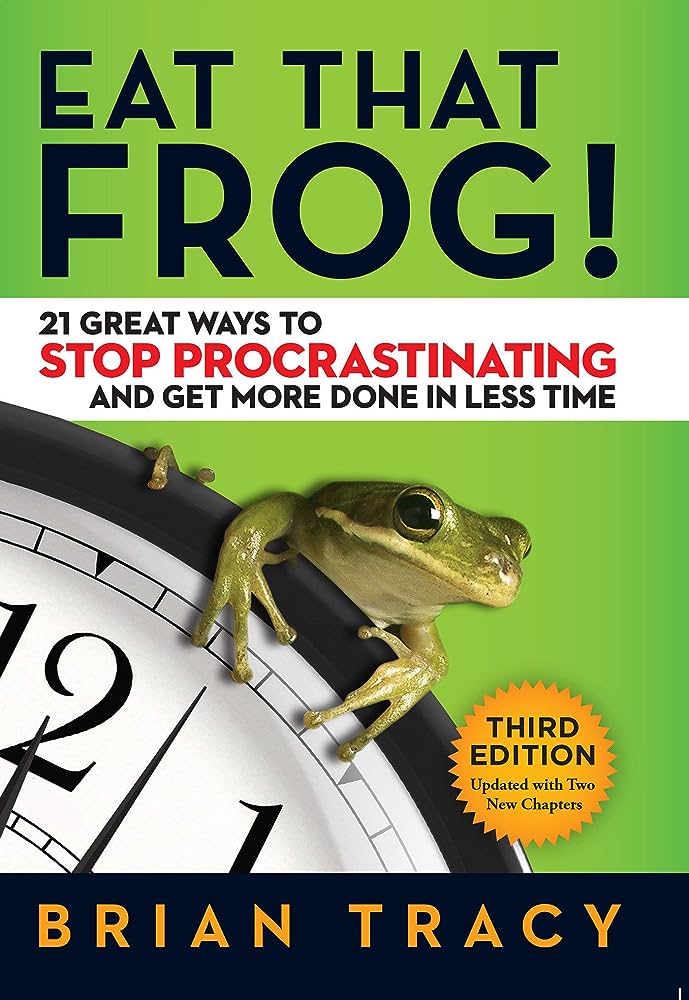
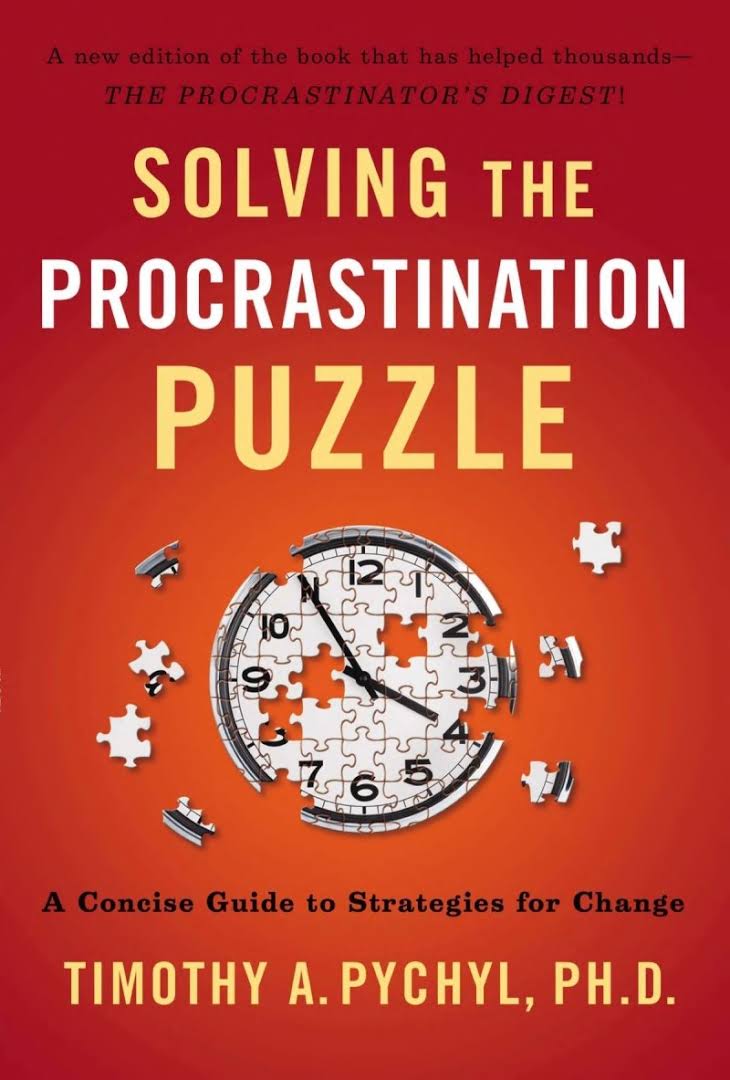
Procrastination is frequently used as an emotional coping mechanism. Individuals may delay tasks to temporarily avoid anxiety, fear of failure, or feelings of inadequacy. In the short term, this delay offers a sense of relief, creating a paradox where avoidance becomes a source of comfort. What is also interesting, while I was reading about procrastination, as I am a consumer lol, is that creates a kind of mental conflict called cognitive dissonance. It’s like feeling uneasy because you have two conflicting thoughts – wanting to avoid stress now by putting off a task, but also knowing that delaying it could make stress worse later. Therefore, understanding the intricacies of the procrastination paradox allows individuals to adopt targeted strategies to mitigate its impact. What can help is to educating yourself about it, and my recommendation would be the book by Brian Tracy “Eat That Frog” and “Solving the Procrastination Puzzle: A Concise Guide to Strategies for Change” by Timothy A. Pychyl.
5.BOUNDARY BREAKDOWN
Anxiety may drive a strong desire for approval and fear of rejection. This can lead to people-pleasing behaviors, where we compromise our boundaries to meet others’ expectations, often at the expense of our own well-being. Engage in open and honest communication about your boundaries with those around you. Clearly expressing your needs and limitations fosters understanding and support. Rebuilding boundaries is a gradual process. Set realistic goals and celebrate small victories along the way. Patience and perseverance are key to creating lasting change.
6. THE WORKAHOLIC TRAP
The modern workplace often glorifies a culture of constant productivity, where success is equated with the number of hours worked. Falling into the workaholic trap becomes tempting as the pursuit of professional success intensifies. Overworking often leads to burnout—a state of physical and emotional exhaustion. The chronic stress associated with burnout. Been there, done that.
Therefore, the first step is to learn how to say “No!” Take vacations, take regular breaks, establish a good support system, make your priorities work for you, set boundaries, and most importantly – delegate!

Can you connect with these situations? Have you been caught in long meeting, overtime working, burnouts.. What’s taking away your energy, and what simple but effective steps can you take to revive your enthusiasm for life, to reduce anxiety and stress, starting right now?

 Tanja's diary 🧚🏻♂️